
Resume på dansk:
USA’s og Israels angreb mod Iran i weekenden har skabt uro på de finansielle markeder med stigende oliepriser og faldende aktiekurser. Tidligere lignende konflikter er hurtigt blevet nedtrappet, men denne gang vurderes risikoen for en længerevarende og bredere konflikt som større.
Hvor tidligere amerikanske angreb var begrænsede og rettet mod atomanlæg, er den nuværende operation mere omfattende og rammer også Irans politiske og militære ledelse. Irans modsvar har været hårdere, især efter landets øverste religiøse leder blev dræbt.
Selvom både Irans svækkede økonomi og manglende opbakning i USA taler for en hurtig nedtrapning, er der tegn på, at konflikten kan trække ud, især hvis den udvikler sig til en eskalerende spiral mellem parterne.
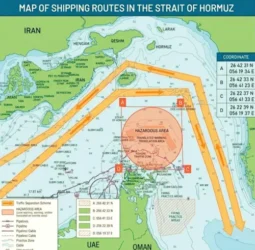
Den største økonomiske risiko ligger i olieprisen. Kortvarige stigninger vil næppe påvirke økonomien væsentligt, men længerevarende forsyningsforstyrrelser – fx i Hormuzstrædet eller i Saudi-Arabien – kan ramme global vækst.
En vedvarende stigning på 10 dollar pr. tønde kan reducere den økonomiske vækst med 0,1-0,2 procentpoint. Hvis olieprisen når 120 dollar og forbliver der, vil det få mærkbare konsekvenser for både USA og verdensøkonomien.
Fra Barclays
The dogs of warUS and Israel strikes against Iran begun over the weekend spooked financial markets, pushing oil prices up and stock markets down. In similar episodes during the past two years, markets calmed down as tensions in the region de-escalated quickly, but the tail risk of a sustained conflict is higher this time, our strategists argue. A lasting war spreading to other parts of the region could hurt the world economy.What’s new?The US strikes on Iran last year were very calibrated and targeted only nuclear facilities, which drew a muted Iranian response. This time, the operation seems much broader, targeting Iran’s political and military leadership. Iran’s response has been much wider and harsher as well, especially after the country’s supreme religious leader was killed by the air strikes. There are a multitude of reasons supporting a quick de-escalation. Iran is weak economically and politically, and its regime is very unpopular. The US public does not support a protracted war, and higher oil prices would worsen affordability problems just before midterm elections. However, there are also signs that this could last much longer than recent previous conflicts in the region. President Trump is now openly calling for a regime change and has gone from saying the air raids would last a week to saying they will last several weeks. The Iranian response could escalate further as the regime fights for survival. Successful attacks by Iran on US allies or bases in the region could cause US escalation as well, becoming a self-reinforcing cycle as both sides respond to casualties and damage.Why it mattersThe potential harm to the US and world economy will come from oil prices. If oil prices spike for a few days but then return to pre-conflict levels in a week, the economy would not even notice. However, if there are major supply disruptions – such as tanker traffic through the Strait of Hormuz being halted for a long period or if Saudi oil fields are affected – it would be hard to replace much of that supply for weeks or months. Every $10 rise in oil prices – if sustained – can knock off 0.1-0.2 percentage points of economic growth. If oil were to rise to $120 per barrel and stay there, the US and world economy would take a considerable hit.What to watch forAll eyes will be on whether the operation against Iran ends swiftly or drags on much longer, drawing other regional powers into the conflict. | ||||