

Uddrag fra Authers fra FT:
Speculating about the likely duration of the war in the Middle East is difficult and dangerous enough at any time. As this edition needs to go to press earlier than usual thanks to a day of transit ahead, it’s particularly risky. But, assuming that Mojtaba Khamenei isn’t flying a large white flag over Tehran by the time you read this (which is a reasonable supposition), what conclusions can we reach about the length of the war?
The priority for the decision-makers in Iran is their own survival as a regime. There are limits to the punishment they can take, but they also have to avoid a humiliating defeat if they want to keep any perception of legitimacy in the Iranian population.
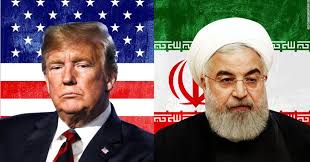
As for the US, it’s fair to say that President Donald Trump’s latest pronouncement that the war would be “short” suggests he feels a political imperative to declare victory and pull out. The problem is that his message is contradicted by the administration’s actions, as the Iran conflict appears to be intensifying, with ever more weaponry.
The other issue is that a TACO — “Trump Always Chickens Out” — scenario depends in part on the counterparties going along with it. As Marko Papic of BCA Research puts it, Iran is unlikely to “eat the taco” as readily as prior opponents and give him an apparent victory, while the ease with which the Strait of Hormuz has been closed should be troubling:
Remnants of Iran’s regime — or factions that Tehran cannot control even in the case of a ceasefire — could continue to imperil Hormuz with cheap drones for weeks, months… even decades.
The focus is understandably on Trump, which helps explain why US stocks at the time of writing are higher than they were when hostilities commenced. But it may not be in the control of either the US or Iran to reopen the strait, and that risk deserves far more attention. At $88, Brent crude still prices considerable risks that stock markets are ignoring.