Uddrag fra Barclays:
Waiting for the next headline
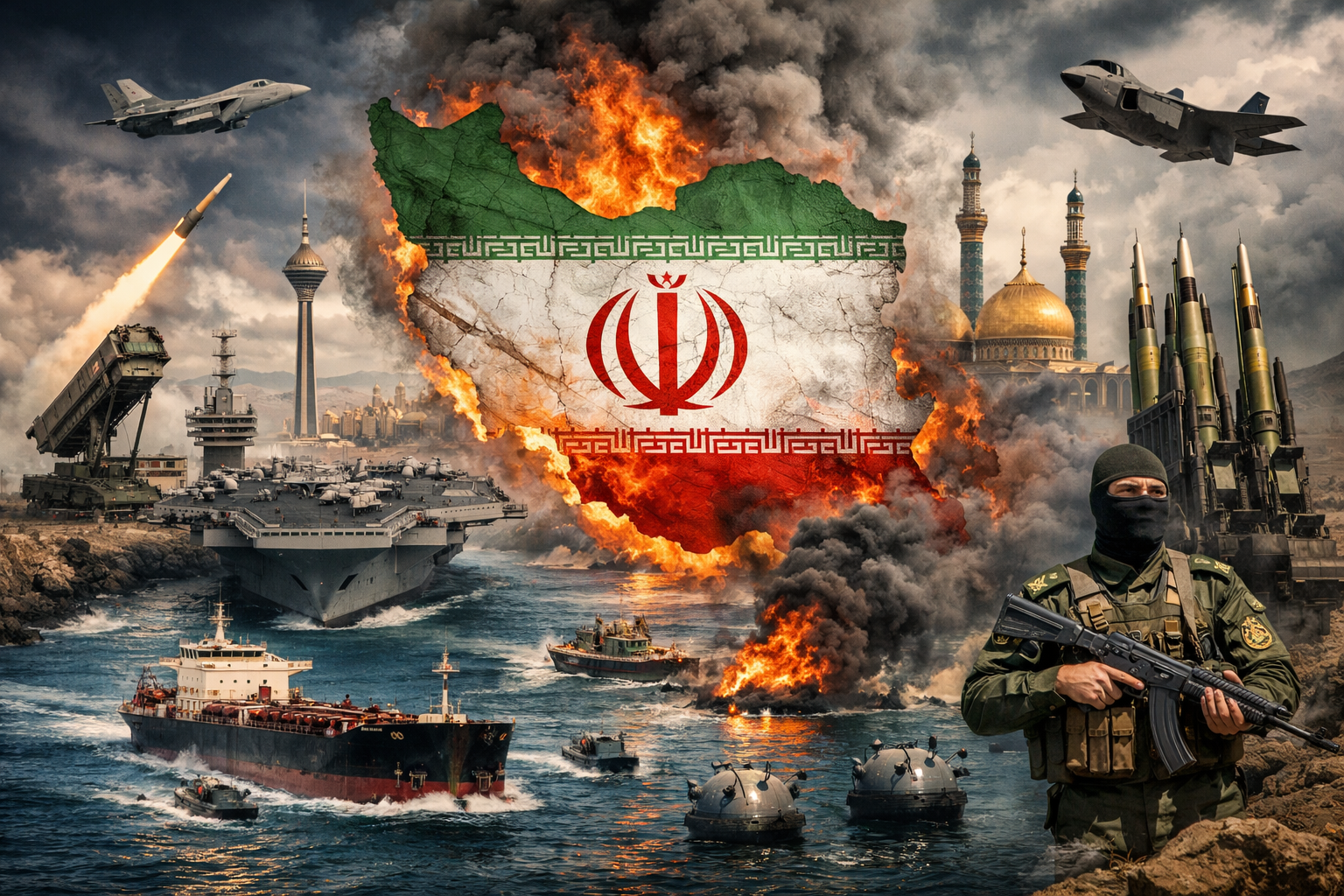
Markets remain glued to headlines regarding the Middle East conflict as new deadlines are set by US President Trump and mediators push for a ceasefire. While some oil tankers have begun to transit through the Strait of Hormuz, the negative effects of the conflict have started to seep through as well.
What’s new?
President Trump renewed his threats to attack Iranian power plants and civilian infrastructure if the country does not open the Strait to oil and gas traffic. Iran started allowing Iraqi oil to pass through the Strait, in addition to its own oil exports. While that could relieve some pressure on the oil market, it still leaves a very substantial shortfall. The latest purchasing managers’ index data in Europe and the US show rising factory input costs and slowing supplier deliveries as the first signs of the conflict’s effect on industrial activity. While China’s exports remain robust thanks to surging demand for solar panels and electric vehicles, other Asian economies are feeling the energy shock more acutely. India’s central bank announced strict currency controls last week. Japanese companies are turning more pessimistic about the business outlook, the latest Tankan survey showed.
Why it matters
The biggest risk to the global economy is further escalation of the conflict and its spread to civilian and oil infrastructure. If the US attacks bridges and power plants, Iran could retaliate by targeting oil fields and desalination plants in the Gulf. Permanent damage to oil and gas production facilities could prolong the energy crisis and increase its negative effects on economic activity.
What to watch for