

Fra Danske Bank:
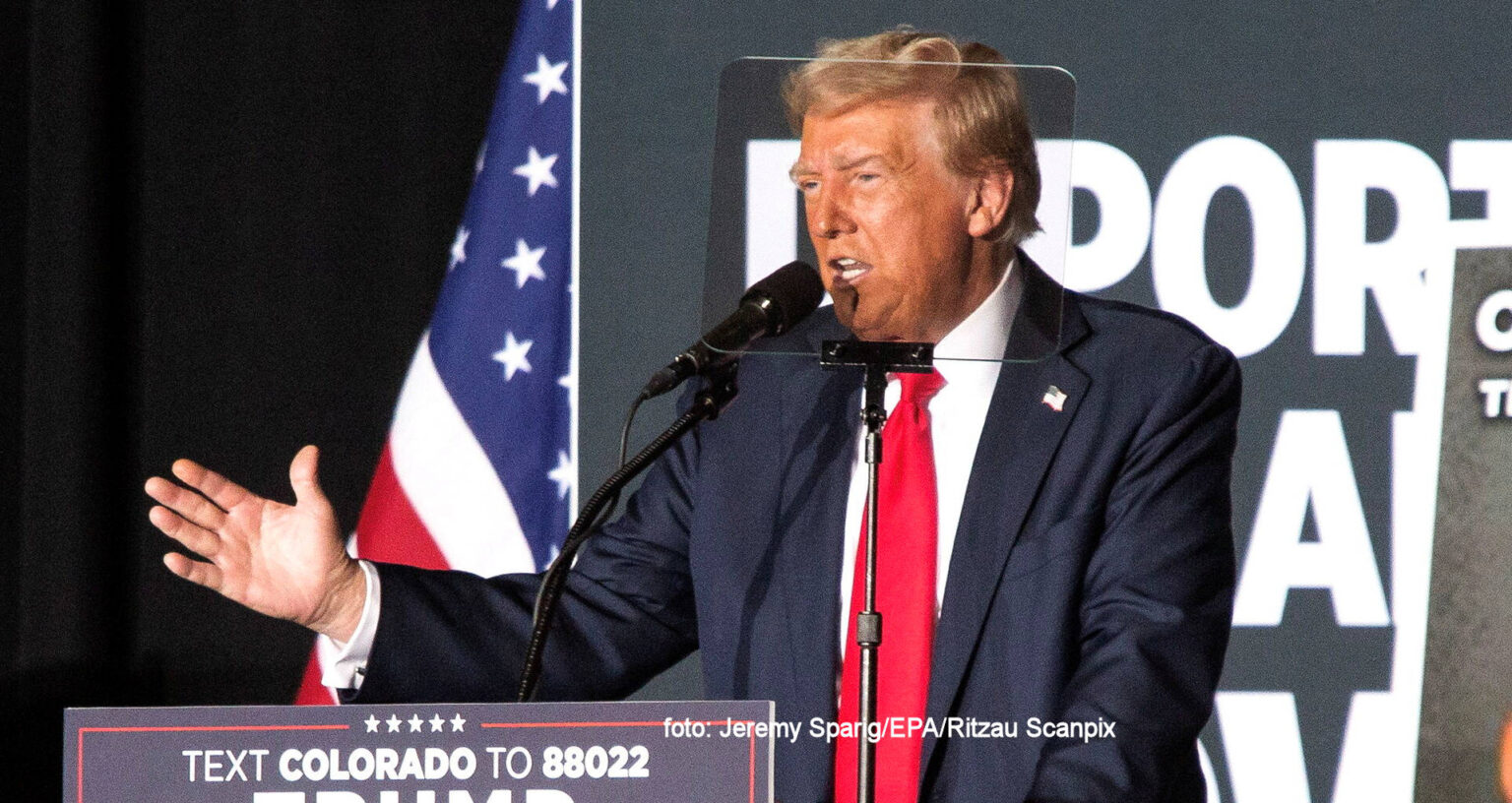
• • We do not expect the Trump-Xi meeting on May 14-15 to lead to major
breakthroughs in US-China relations. We expect near-term financial market
impact to remain limited.
• Trump does not have the incentives nor the means to ramp up the pressure on
China with focus remaining on the war in Iran and earlier court ruling still
constraining his tariff weapon. For China, keeping relations on a stable track is
the main priority, especially when it comes to Taiwan.
• The countries could agree on China increasing purchases of US agricultural
goods, an extended tariff truce and establishment of mutual trade and
investment ‘boards’, though these should be seen as largely symbolical. Change
in the wording of US policy on Taiwan would be a major victory for China.
The premise for the meeting between the leaders of US and China has changed on
multiple fronts since Trump and Xi agreed on a trade war truce in Busan last October.
The US has entered a war in Iran, which overshadows the growth outlook for both
economies. Trump’s main weapon for applying leverage in the negotiations, the
IEEPA tariffs, were ruled illegal by US Supreme Court. And finally, AI-related demand
for computer equipment is accounting for a rapidly growing share of US import value.
Long-term US tariff framework is still in progress
A key reason for why we do not expect another flare-up in the tariff war between the
two countries is that the US administration’s long-term plan for replacing the nowillegal IEEPA tariffs is still in progress. Supreme Court’s ruling against IEEPA invalidated
both the 10% ‘fentanyl’ tariff and the 10% ‘reciprocal’ tariff on China. The latter one
was replaced by the universal 10% Section 122 tariff rate, and while it was also ruled
illegal by US Court of Internation Trade last week, the rate remains in effect for now.
The long-term tariff plan relies on the Section 301 of the Trade Act of 1974, which
allows the president to impose tariffs against discriminatory trade policies. Trump
imposed Section 301 tariffs against China already during his 1st term, which largely
remain in place today. The USTR has opened investigations for expanding the
measures (not just against China, but also more than 60 other economies) on the
basis of excess industrial capacity and the use of forced labour.
While these topics will likely be discussed this week, the investigations are only expected to conclude
over summer. This means that for now, Trump has only very limited ways to increase
tariff pressure, despite his recent sporadic threats against, for example, the EU.
Alongside the universal 10% rate and the 1st term measures, China is also affected by
product-specific Section 232 tariffs targeting cars, car parts, various metals, certain
pharmaceuticals and wood products. We estimate that the combined average tradeweighted tariff rate hovers close to 20%. We expect the administration to aim for a
somewhat higher rate in the long-run, consistent with the earlier IEEPA approach.