Resume af teksten:
Den italienske industriproduktion startede 2026 svagt, allerede før krigen i Mellemøsten begyndte. Januar-data viser en nedgang på 0,6% i sæsonjusteret produktion sammenlignet med måneden forinden, især drevet af fald i forbrugs-, mellem- og investeringsvarer, mens kun energi steg. Årligt var der ligeledes et fald på 0,6%, hvilket indikerer, at den lange recession i fremstillingssektoren fortsætter. Transportudstyr viste forbedringer, men tekstil- og beklædningssektoren forblev i tilbagegang. Usikkerheder i energimarkedet p.g.a. konflikten i Mellemøsten skaber risici for fremtidig produktion, mens den tyske økonomis indvirkning potentielt kan medføre støtte. Forventningerne til første kvartals vækst er afdæmpede, trods en tidligere uventet stigning i BNP.
Fra ING:
Production started the year on a soft footing, even before the Middle East war began. Prospects for the rest of the year will crucially depend on how energy market tensions – and their supply and demand effects – evolve
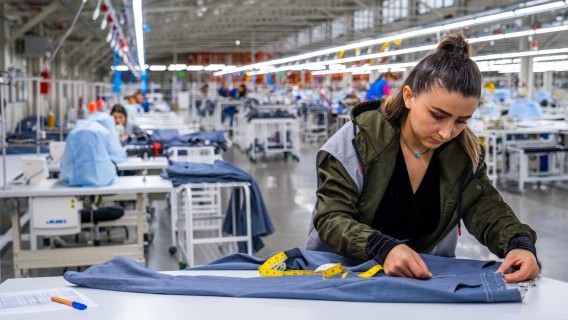
The textile and apparel sector is in contraction territory
The first batch of hard data for 2026 confirms that, even before the start of the war in the Middle East, the path towards a gradual recovery for the Italian economy was not a smooth one. January production data, released today, were softer than expected.
In January, seasonally adjusted industrial production was down 0.6% on the month (from -0.5% in December), with consumer goods, intermediate goods and – more markedly – investment goods all in contraction and only energy goods expanding. The working days adjusted aggregate measure was down 0.6% on the year (from +2.7% in December), signalling that leaving the long-lasting manufacturing recession is not a smooth process.
A quick look at the sector performance shows that hierarchies were partially reshuffled in January. After playing the role of the laggard throughout 2025, transport equipment production was second only to energy production in the yearly growth ranking. Electronic equipment production kept rising while pharmaceuticals, the manufacturing growth leader in 2025, moved into negative territory in January. Chemicals were the worst performer, and textile and apparel were confirmed in contraction territory.
Developments in industrial production for the rest of the year remain highly uncertain. Strong links with the German economy could eventually support Italian industry as Germany rolls out its infrastructure and defence investment plans, but evolving energy market tensions linked to the Middle East conflict are adding both supply and demand‑side risks. February business surveys have not yet captured these pressures, instead pointing to flat production and steady orders, but the March data may tell a different story. After an unexpectedly strong 0.3% quarterly GDP rise in late 2025, we expect growth to cool in the first quarter of 2026.
Hurtige nyheder er stadig i beta-fasen, og fejl kan derfor forekomme.