
Resume af teksten:
Markedet har skiftet fra forventningen om et hurtigt chok til et længere, mere komplekst scenarie efter den seneste eskalation i Mellemøsten. Brent-olien nåede kort USD 120 per tønde, mens aktier faldt markant. Uroen skyldes øget risiko for skade på energiinfrastruktur. Investorer opfordres til at holde roen, undgå forhastet risikojustering og overveje selektive energiinvesteringer, guld og defensive aktiver.
Situationen i Mellemøsten har ikke ført til betydelige skader på energiinfrastruktur, hvilket holder mulighed for en kortvarig energiprisstigning fremfor langvarigt chok. Europa er mest påvirket, mens Asien forventes at klare sig bedre. Porteføljer bør beholde grundlæggende risici og tilføje modstandskraft ud fra sandsynlige scenarier.
Politisk indblanding kan intensiveres, både for at berolige og eskalere situationen. Det langsigtede udsyn for energimarkederne er afhængig af, at spændinger falder og yderligere forsyning genoptages, hvilket kan stabilisere priserne. Tålmodighed og porteføljetilpasning fremhæves som vigtig i den nuværende situation.
Fra Julius Bär:
After recent Middle East escalation, markets moved from expecting a quick, contained shock to entertaining a messier, longer phase. Brent crude briefly flirted with USD 120 per barrel before paring gains, while equities and futures sold off sharply. The shift was driven less by rhetoric and more by the acknowledgment that energy infrastructure is now in the line of fire, as outlined in our Number of the Week below.
Yet the key point for investors is fluidity: in conflicts like these, assessments can flip within hours on diplomacy, supply releases, or a sudden lull in attacks. Our framework still treats a short-lived but more intense spike in oil & gas as the base case, not a prolonged oil shock. That argues for avoiding headline-driven de-risking, while keeping resilience in the book via selective energy exposure, gold, and defensives.
Oil markets enter panic mode
Oil prices surged into the triple digits as stress levels rise and nervousness spreads. No tangible fundamental shift in the conflict was visible over the weekend of March 6 to March 8. The attack on oil storage near Tehran affects domestic distribution, not overseas exports.
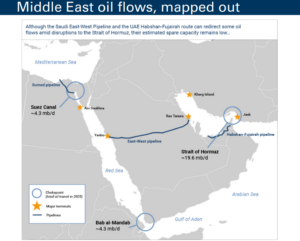
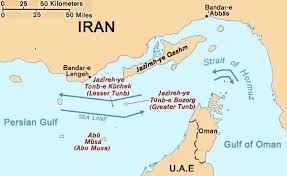
The supply disruption so far is mainly about choked trade, as ships avoid the Strait of Hormuz for precautionary reasons rather than owing to a military blockade. However, oil and gas cannot pile up for long, as storage and ships stuck in the Persian Gulf will soon run out of capacity. So, production is starting to shut in. We project that the Middle East could see up to 75% of shut-ins this week and thereafter.
Importantly, these shut-ins reduce, but do not eradicate, the oil market’s surplus, assuming that trade via Hormuz resumes partially towards month-end. Our base case scenario of a short-lived, intense energy price spike includes such shut-ins.
Fears about an imminent oil crisis are omnipresent. However, the situation during the 2022–2023 energy crisis was very different, as the post-pandemic shock had triggered broad-based inflation, which did not only originate in the energy market. The early-1980 oil shock was very different too, as the world economy was far more dependent on oil than it is today. The 1990 Gulf War is closer to today’s situation, but it saw vast oil fields ablaze, unlike now.
While markets have moved into our bear case scenario of a very intense energy spike, the conflict has not resulted in major energy infrastructure damage that would justify such an escalation. We leave our probabilities unchanged: >60% base case, <30% bear case, <5% oil crisis, outlined further in the table below.
Investment implications by scenario
Energy markets are set for a brief but sharper spike rather than a lasting oil shock. Europe remains the most exposed, while Asia’s macroeconomic impact should stay manageable. Portfolios should maintain core risk, add selective resilience, and avoid overreacting – unless the situation evolves into a more persistent or disorderly disruption.
Our base case still assumes that Brent crude moves into the USD 80 to USD 90 per barrel range in March, and that European gas trades in the USD 40 to USD 50 per megawatt hour range. This hinges on no structural damage to regional assets, and only temporary disruption around the Strait of Hormuz. Under these conditions, macroeconomic spillovers should remain contained.
Europe is the most exposed among our core regions and faces a mild stagflationary impulse, rather than a recession risk. India contends with higher import costs and inflation sensitivity, while China and Japan may face margin headwinds but no material shift in their broader policy or recovery trajectories.
Portfolio positioning is best framed across three scenarios:
Three possible scenarios of Middle East conflict
In the base case, which we assign a probability above 60%, markets may see a short risk-off phase before stabilising in Q2. Maintaining core risk exposure remains appropriate, complemented by measured resilience through energy, gold, and selective defensives.
In an enduring and more chaotic scenario, in which oil moves towards USD 90 to USD 100 per barrel and disruptions extend beyond March, portfolios should move more clearly into defence, reducing cyclical exposure, increasing energy as a hedge, and tilting toward quality.
Only in a true oil crisis – treated as a low-probability tail – would a material reduction in overall risk be justified, with higher cash levels and an emphasis on shock absorbers.
Current market drivers and policy responses
Political interference is likely to increase going forward. Some might be calming, such as efforts to revitalise trade through Hormuz, or strategic reserve releases. Others might be escalating, such as restrictions on petroleum exports, which could come from the US government.
Fixed income turns on whether rates reprice a stagflation tail or re-embrace duration as a hedge; we lean to the latter, so for now, quality duration still earns its keep as growth jitters rise. Meanwhile, across asset classes, equities typically react first and then differentiate.
Outside of the Middle East, the week is packed all the same – yet airtime will be rationed by every twist in Tehran. Watch the G7 debate on releasing International Energy Agency reserves, the US inflation prints, and a notably weaker US jobs report.
What is the long-term outlook for investors?
Beyond the near term, we still see the prospect of a new balance in energy markets. As tensions ease and additional supply, including Iranian barrels, return to the system, oil prices should gravitate back towards the low USD 60s. The medium-term outlook is still rebalancing rather than escalation. We continue to reiterate: in the fog of war, patience is not passivity – it is portfolio discipline.
Hurtige nyheder er stadig i beta-fasen, og fejl kan derfor forekomme.