

Annonce

Log ud Log ind
Log ud Log ind
Morten W. Langer
Ansvarshavende chefredaktør

Velkommen til Økonomisk Ugebrev

Vores erfarne journalister stiller hver dag skarpt på ...

Finans

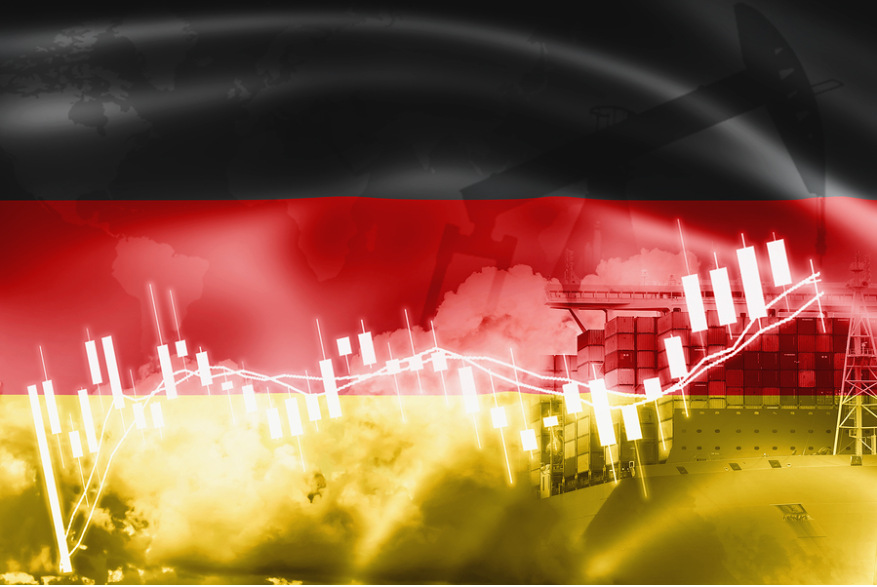
Tysk IFO-indeks stiger igen i August: Højdepunkt for seneste år

Morten W. Langer

tirsdag 25. august 2026 kl. 10:40

Germany’s most prominent leading indicator, the Ifo index, increased to 88.8 in August, from 86.6 in July. This is the fourth consecutive monthly increase, bringing the Ifo index to a one-year-high.

Both the current assessment and the expectations component improved significantly. While it’s still too early to call this a self-sustained economic recovery, growth above potential in the first and second quarters of the year, together with four consecutive months of increasing sentiment, are promising. We have clearly seen worse.

It seems as if German sentiment has become immune or numb to the long list of potential downside risks.

On track for the best growth performance since 2022

The German economy may have weathered the first half of the year better than expected, but past performance is no guarantee of future success. To some extent, the resilience in the second quarter was also driven by the fact that other regions were hit harder by the closure of the Strait of Hormuz, making some German companies a kind of crisis beneficiary.

Looking ahead, the war in the Middle East, which is slowly turning into a forever war, keeping oil prices at elevated levels, as well as the likely upcoming shock of higher gas prices in the next heating season and renewed trade tensions, pose risks to the German outlook.

And there’s more. Even if some rain over the last few days in Germany has brought limited relief, the low water in the main transportation waterways is another threat to industrial supply chains and production. At the same time, though, order books have started to recover in recent months, pointing to some positive momentum in industry.

At the end of the summer, the German economy remains in a difficult limbo. As concerning as the short-term outlook might be, the longer-term outlook for the German economy will still be driven by fiscal stimulus and the investments in defence and infrastructure, as well as the ability to translate recent reform plans into real and tangible action.

This morning’s GDP details actually showed that the infrastructure investments have finally started to reach the real economy. Still, in this delicate mix of short-term downside risks and longer-term optimism, let’s not forget that to fundamentally bring the German economy back on a sustainable growth path, the economy still needs more reforms that improve international competitiveness, a clear plan for affordable energy and more direct incentives, e.g. tax cuts, to boost domestic demand, i.e. both corporate investments and private consumption. Elements that are currently still missing in the government’s reform package.

All in all, the track record of the last few years of disappointed hopes forbids me from becoming overly cheerful today. Nevertheless, the latest German macro data is a welcome change, stressing the economy’s resilience. Despite the obvious headwinds, the German economy is on track for its best growth performance since 2022.

Få dagens vigtigste
økonominyheder hver dag kl. 12

Bliv opdateret på aktiemarkedets bevægelser, skarpe indsigter
og nyeste tendenser fra Økonomisk Ugebrev – helt gratis.

Jeg giver samtykke til, at I sender mig mails med de seneste historier fra Økonomisk Ugebrev.  Lejlighedsvis må I gerne sende mig gode tilbud og information om events. Samtidig accepterer jeg ØU’s Privatlivspolitik. Du kan til enhver tid afmelde dig med et enkelt klik.

[postviewcount]

Jobannoncer

No data was found

Mere fra ØU Finans

FÅ VORES STORE NYTÅRSUDGAVE AF FORMUE

Her er de 10 bedste aktier i 2022

Tilbuddet udløber om:
dage
timer
min.
sek.

Analyse af og prognoser for Fixed Income (statsrenter og realkreditrenter)

Direkte adgang til opdaterede analyser fra toneangivende finanshuse:

Goldman Sachs

Fidelity

Danske Bank

Morgan Stanley

ABN Amro

Jyske Bank

UBS

SEB

Natixis

Handelsbanken

Merril Lynch 

Direkte adgang til realkreditinstitutternes renteprognoser:

Nykredit

Realkredit Danmark

Nordea

Analyse og prognoser for kort rente, samt for centralbankernes politikker

Links:

RBC

Capital Economics

Yardeni – Central Bank Balance Sheet 

Investing.com: FED Watch Monitor Tool

Nordea

Scotiabank