

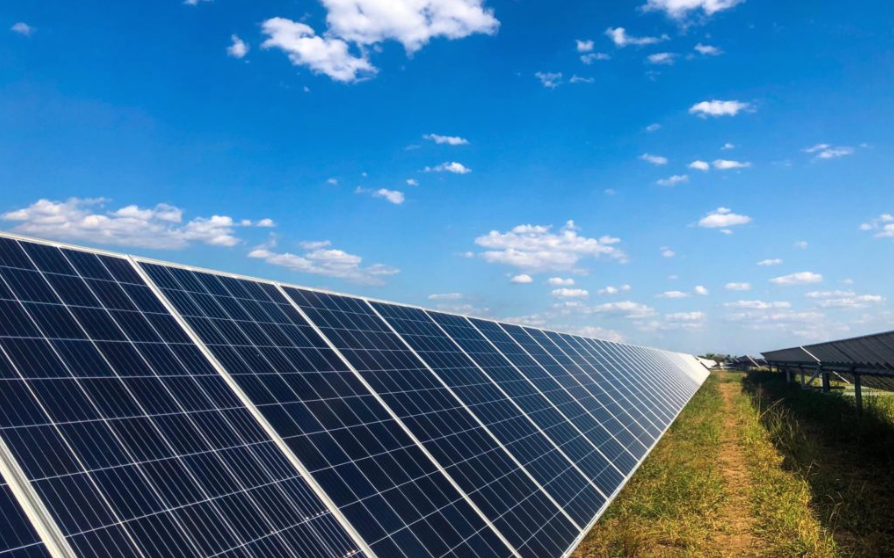
ING Think forudser, at vind og solenergi forventes at blive mere konkurrencedygtigt end fossilt brændsel og atomkraft i 2021. I stigende grad bliver det billigere at tilføje ny vind- og solkapacitet sammenlignet med nye fossile brændselkraftværker eller atomkraftværker.
ING Think pointerer, at prisudviklingen på vind og sol er præget af tre vigtige vippepunkter. Herunder, at vind- og solenergi altid har haft gavn af de ekstremt lave marginale omkostninger. Når paneler og turbiner er på plads, er de således den billigste teknologi til at producere en ekstra MWh elektricitet, da vind og sol er frit tilgængelige, mens fossile kraftværker skal betale for gas eller kul.
Sagt med andre ord, overgår eksisterende vind- og solprojekter eksisterende kul- og gaskraftværker. Vedvarende energi driver produktion af fossile brændstoffer ud, når de først er kommet i kraftmixet.
Endvidere skriver de, om de resterende vippepunkter, der skal vise sig at være afgørende i 2021:
Second tipping point: new-build wind and solar cheaper than new-build coal, gas and nuclear plants
For investment decisions, one must also include the initial investment through capital costs and the maintenance costs to keep the technology running. The Life Cycle cost Of Electricity (LCOE) does just that and can be viewed as the total cost to produce a MWh of electricity during the lifespan of the asset. Nowadays, even new-build renewables are, on average, cheaper than new-build fossil fuel or nuclear power plants (see graph). We expect this gap to widen further in 2021. First, solar panels and wind turbines continue to get cheaper and experience favourable tender conditions in the current economic environment. Second, we expect upward pressure on fossil and carbon prices in 2021. Lastly, an estimated 35 GW of solar and wind capacity is expected to enter European power systems, which will lead to lower utilisation rates of fossil fuel power plants.
Third tipping point: new-build wind and solar cheaper than existing, gas and nuclear plants
Finally, a third and even more disruptive tipping point would emerge if the costs of building new solar and wind projects are lower than running existing coal or gas fired power plants. In that case, it would be economically viable to replace fossil fuel power generation with wind and solar energy. A considerable part of fossil fuel generation is still needed though to act as a back-up facility at times when the sun and wind are not strong enough, especially in the absence of large scale storage facilities. This third tipping point does not hold in 2021 and power market structures are likely to change once markets reach this tipping point in order to guarantee the reliability of power systems at all times.
Læs resten af analysen her:
https://think.ing.com/articles/wind-and-solar-get-increasingly-cheaper/