
Resume af teksten:
Tysklands inflation steg til 2,1% årligt i januar, op fra 1,8% i december, drevet af højere energi- og fødevarepriser samt sundhedsudgifter. Core inflation er nu 2,5%, mens serviceinflationen er faldet til 3,2%. Arbejdsløsheden er igen over tre millioner, det højeste niveau i januar siden 2014, hvilket gør det usandsynligt, at forbruget vil drive økonomisk genopretning i år. Jobmarkedet ser ud til at forværres yderligere på kort sigt, til trods for nogle indikationer på stabilisering. Prognoser tyder på, at inflation vil svinge omkring 2% i de kommende måneder, mens arbejdsmarkedet forventes at stabilisere sig midt på året. Samlet set er den økonomiske vækst hæmmet af et svagt arbejdsmarked, men lav inflation forbliver ikke en stor bekymring.
Fra ING:
With inflation above 2% and the unemployment number above three million, today’s macro releases didn’t only bring good news
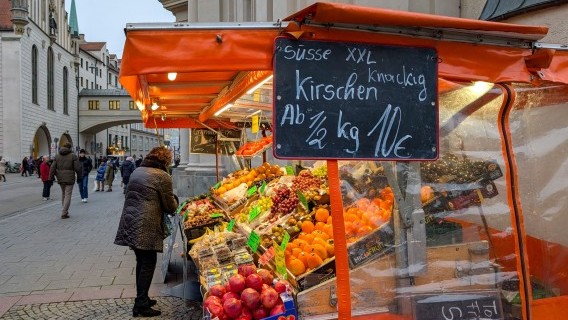
German headline inflation looks set to fluctuate around the 2% mark over the coming months
German headline inflation, according to the national measure, rebounded to 2.1% year-on-year in January, from 1.8% YoY in December. The European measure also came in at 2.1% YoY, from 2.0% YoY in December. Core inflation increased to 2.5% YoY, while services inflation slowed down to 3.2% YoY.
The available regional state data shows that the increase in inflation was mainly driven by less favourable energy price effects, but also sharp monthly increases in food prices and health care costs; the latter probably being a result of increased health care insurance costs.
Unemployment again above the three million threshold
Earlier today, the latest labour market data provided new evidence as to why a consumption-driven recovery still looks highly unlikely this year. The number of those unemployed stood above the psychological three million threshold for the second time in 11 years. It’s the worst January reading since 2014 – and the gradual worsening of the labour market is likely to continue.
While more experimental indicators based on job sites suggest a stabilisation, more traditional forward-looking indicators, such as the Ifo and the federal labour agency’s own employment expectations indicators, continue to move downward. Add to that ongoing announcements of potential cost-cutting measures across the automotive and other industries, and the continuing increase in bankruptcies, and it appears that conditions will first worsen before they improve. If we are right and the cyclical recovery of the German economy unfolds over the coming months, the labour market should stabilise by mid-year.
Inflation to fluctuate around 2% this year
Looking ahead, German headline inflation looks set to fluctuate around the 2% mark over the coming months. In the shorter run, disinflationary drivers look still likely to prevail, like the stronger euro and favourable energy base effects, as well as domestic and foreign companies re-channelling products from the US to Europe at dumping prices. This disinflationary story is also supported by the ongoing drop in producer and import prices, which is normally a good leading indicator for headline inflation. In the longer run, however, the incoming fiscal stimulus should lead to new inflationary pressures, at least in certain sectors.
All in all, with inflation above 2% and the unemployment figure above three million, today’s macro data from Germany did not only bring good news. Instead, it puts the 0.3% quarter-on-quarter GDP growth into perspective – and certainly doesn’t justify any weekend celebrations. This data all paints the picture of an economy gradually entering a phase of its cyclical rebound, but any growth momentum will still be limited by the worsened labour market. At the same time, fortunately, inflation will not be high on Germany’s list of concerns this year.
Hurtige nyheder er stadig i beta-fasen, og fejl kan derfor forekomme.