


Resume af Goldman analyse bearbejdet til dansk – original analyse nedenfor
Goldman Sachs’ Tony Pasquariello vurderer, at det amerikanske aktiemarked fortsat har en positiv hovedtrend, men at handelsmiljøet er blevet markant vanskeligere. S&P 500 ligger kun omkring 1 pct. fra rekordniveauerne, og det ligevægtede S&P 500 sætter stadig nye toppe. Men siden begyndelsen af juni har markedet bevæget sig sidelæns i et ujævnt og vanskeligt interval. Han forventer, at volatiliteten og de mere uforudsigelige bevægelser fortsætter, især i takt med at Q2-regnskabssæsonen får større betydning.
Et centralt tema er den kraftige vending i momentumaktier. Efter et meget stærkt første halvår er populære positioner kommet under pres, og Goldman Sachs’ momentumindikatorer viser markante fald og høj realiseret volatilitet. Især teknologi- og TMT-momentum er ramt, hvilket dokumentet illustrerer med grafer på side 1 og 2. Årsagerne er blandt andet meget strakt investorpositionering, ekstrem optimisme, kraftige kursstigninger i halvlederaktier, øget aktivitet i gearede ETF’er, stigende kundeleverage mod momentumfaktoren og sæsonmæssigt svage juli-tendenser for momentum.
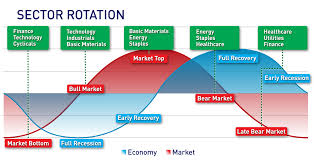
Pasquariello peger på, at de sektorer, der klarede sig bedst i første halvår, især teknologi og energi, nu oplever tilbageslag, mens tidligere efternølere som sundhed og finans er begyndt at rette sig. Hans konklusion er, at momentumfaktoren var blevet overophedet, og at den aktuelle korrektion hænger sammen med meget koncentrerede positioner. Derfor ventes realiseret volatilitet at forblive højere i den næste fase.
AI-investeringer fremhæves som den vigtigste enkeltfaktor for markedet. Q2-regnskaberne bliver afgørende, fordi investorerne vil vurdere både størrelsen af de fremtidige AI-kapitaludgifter og hyperscalernes evne til at koble investeringerne til omsætningsvækst og bedre fri pengestrøm. Dokumentet fremhæver, at hyperscalerne fortsat har stærke strukturelle fordele, fordi de kontrollerer infrastruktur, software, distribution og kundeforhold, men de skal vise større fleksibilitet i investeringsniveauet.
Den bredere indtjeningsdiskussion handler om, hvorvidt S&P 500’s stærke indtjeningsvækst kan fortsætte. Goldman Sachs’ syn er fortsat optimistisk, herunder forventning om tocifret indtjeningsvækst i 2027, men dokumentet rejser også risikoen for en mulig “hangover” i 2028, især på grund af usikkerhed om AI-forløbet og store tals lov.
Small caps behandles mere forsigtigt. Selvom små selskaber har klaret sig stærkt det seneste år, vurderes rammevilkårene at blive mindre gunstige. Den økonomiske acceleration og Fed-lempelserne, som tidligere støttede small caps, ser mindre stærke ud i andet halvår. Samtidig er AI-medvinden for Russell 2000 blevet reduceret efter indeksrebalancering, og analytikerne har nedjusteret EPS-forventningerne for Russell 2000, mens estimaterne for S&P 500 er blevet opjusteret.
Den samlede konklusion er, at bullmarkedet fortsat kan forsvares af en robust amerikansk økonomi, stærk indtjeningsvækst og fortsat støtte fra husholdningerne. Men markedet står over for voksende spændinger: en mere kompleks AI-fortælling og ophobning af spekulativ gearing. Derfor ventes den opadgående trend at fortsætte, men med bredere udsving og mere bumpede markedsforhold de kommende måneder. Pasquariellos praktiske anbefaling er at blive investeret, men forenkle porteføljen til de mest overbevisende positioner og købe nedadrettet beskyttelse, når den midlertidigt bliver billig.
Uddrag fra Goldman:
The S&P 500 (cap-weighted) sits just 1% from the highs – and the equal-weighted S&P 500 keeps making higher highs – yet, as Goldman Sachs head of hedge fund coverage, Tony Pasquariello, warns, the trading environment has been far from easy in recent weeks.

Taking a half step back: since making the highs in early June, S&P has been consolidating within a choppy and tricky trading range.
With an eye towards the Q2 reporting period – which should hold significant sway as this month rolls along – Pasquariello expects the choppiness and trickiness to continue (just as summer liquidity conditions take hold).
But he points out that the character of the market has changed noticeably.
After a spectacular first half, the past few weeks have featured a serious reversal in momentum, which has put significant pressure on consensus positions.
This is clearly illustrated by our flagship momentum pair (ticker GSPRHIMO), which has seen a sharp increase in realized volatility (to 5-year highs) and is down 22% from the June highs (even after yesterday’s bounce).

For the more explicit version, pull up the TMT momentum pair, ticker GSTMTMOM (price action today will be interesting).

In the search for why momentum has hit this patch of turbulence, I’d start with a few waypoints that level set the explosive rally in Q2:
i. as a marker of positioning, our sentiment indicator from US portfolio strategy just measured at 2.0 standard deviations (a 98th percentile reading, and the highest since December of 2024).
ii. as a marker of magnitude, the most bright-and-shining example was the SOX, which more than doubled off the March 30th lows (aided by levered semiconductor ETFs along the way).
iii. as a marker of risk appetite, volume in US-listed levered ETFs is running multiples of what it was in recent years (which you can certainly feel in day-to-day price action).
iv. as noted a few times of late, client leverage to the momentum factor had been building.
v. with regard to seasonals, July is often a terrible month for the momentum factor, with problems usually coming from the short side.
Here’s my point:
The parts of the market that were so strong in the first half have suffered from a dose of retracement (given overnight price action in Korea, I’d expect another dose today).
This has been particularly painful in spaces like energy and tech.
On the other side of the coin, the sectors that had lagged so prominently — namely healthcare and financials — have recently hooked higher.
In a line: the momentum factor had been on fire, the recent backup connects to highly concentrated positioning, and I suspect that realized volatility will remain elevated in the next phase of the game.
Looking ahead, if the trajectory of AI capex spending is the single most important variable in the market right now, the Q2 reporting period looms very large.
One dimension is the magnitude of forward spend (which has been rocket fuel for all manner of providers, yet has also been increasingly taxing on the hyperscalers). another dimension is whether the hyperscalers can demonstrate flexibility — or even better, attachment to revenue growth. my instinct is investors are too skeptical on this cohort given the quality of these management teams — to say nothing of the recent collapse in positioning.
As a follow-on point, this note from Rich Privorotsky digs into the tensions with the AI narrative. Here’s the line that stuck out to me:
“the hyperscalers own the infrastructure, software, distribution and customer relationship.
They own the toll road, not just the car.
A pivot to open weight and routing drives more volume through scale platforms and delivers efficient outcomes to the end clients.
They just need to show they can modulate their spend and inflect FCF.”
The broader question that stock operators need to answer is whether S&P earnings growth — which has been exceedingly strong for the past six quarters — can be sustained.
To be sure, you’ve been paid to bias towards optimism here — and if the house view is correct, 2027 will also bring double digit earnings growth.
With that said, given the number of questions around the path of AI — to say nothing of the law of large numbers — it’s hard not to contemplate the risk of a hangover in 2028.
Small cap has rightly received plenty of attention for its strong — if unexpected — performance over the past year.
The best research note that I read in the past week came from Ben Snider, which clarifies a framework for small cap in the next phase of the game.
If I were to specifically highlight a few cautious points within the note:
i. “coming into 2026, the combination of an accelerating economy and easing Fed created an ideal backdrop for small-caps. those macro dynamics appear less favorable in the back half of the year.”
ii. “the small-cap AI tailwind is likely to diminish following the recent index rebalance. the weight of AI infrastructure stocks has declined from 15% prior to last Friday’s reconstitution to 7% currently.”
iii. “Russell 2000 EPS estimates have recently been falling, in contrast with upward revisions for the S&P 500. YTD, analysts have lifted 2026 EPS estimates for the S&P 500 by 9% while cutting Russell 2000 estimates by 9%.”

Finally, Pasquariello concludes:
An extension of the bull market is justified by the durability of the US economy, superb earnings growth and unrelenting household sponsorship.
However, set against that, tensions are growing within the market – in the form of a more complicated AI narrative and an accumulation of speculative leverage.
Taken together, while the primary trend remains higher, I expect the path will be both wider and bumpier over the next several months.
Therefore – and this hasn’t changed much in the past month – my recommendation is to stay in the saddle, but to simplify your portfolio to the highest conviction components, and to buy downside insurance when it intermittently goes on sale.
Goldman’s hedge fund honcho offers one final chart for the road.
This puts into historical context the magnitude of the S&P rally since the end of 2022.

As you can see, it has been an extraordinary run (for good order’s sake, this data set stretches all the way back to 1928).
In a way that connects back to the points above, the question this naturally invites is also one of sustainability.